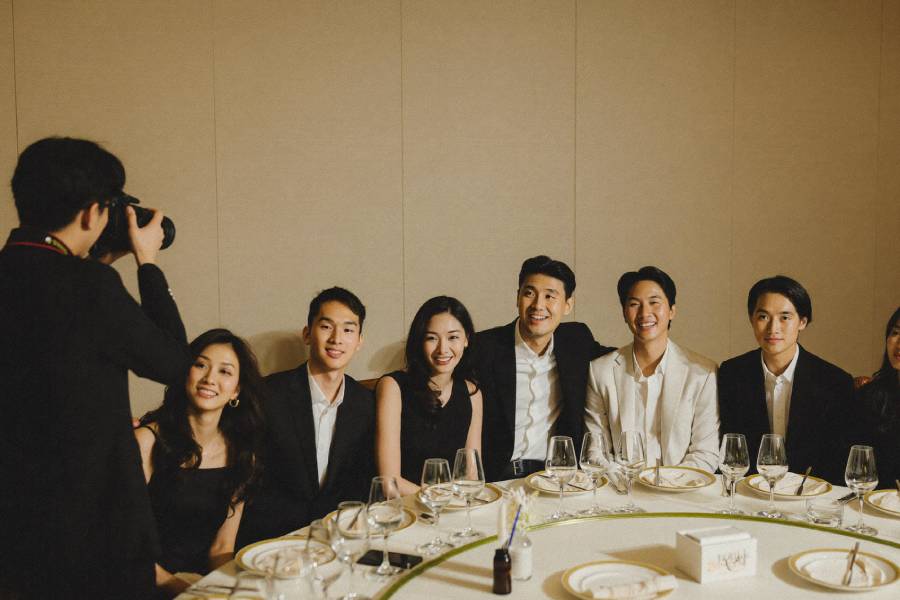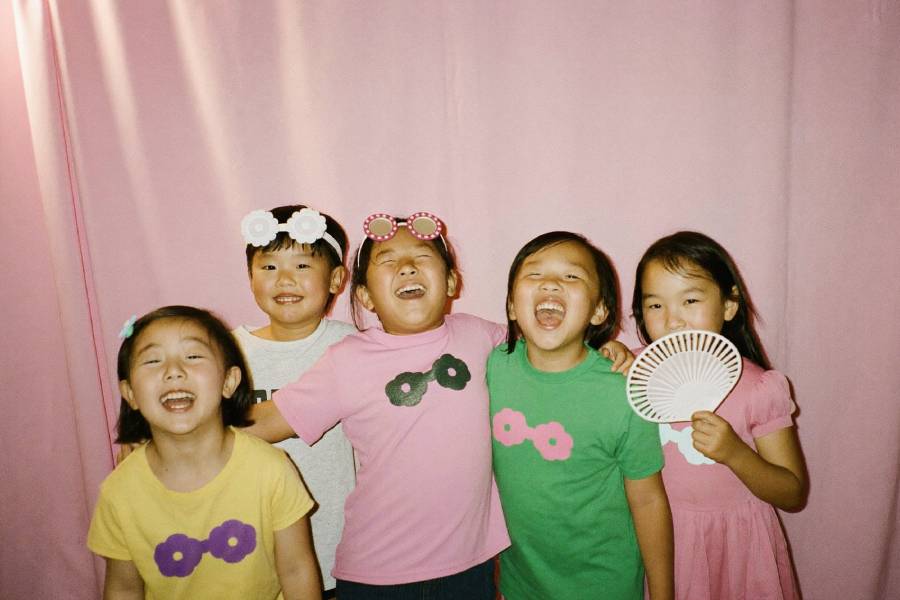
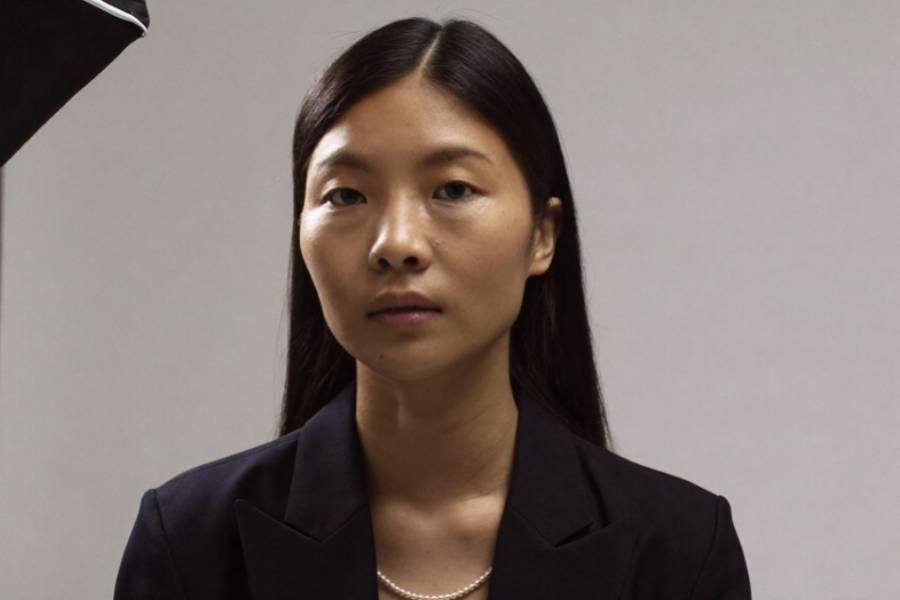
Scroll down almost any company’s About page and you can date each person by their photo. One was taken against a white office wall in 2021. Two came from a team offsite, complete with lanyards. Somebody has clearly been cropped out of a wedding, and you can still see a stranger’s shoulder.
None of this is anyone’s fault. People join, people leave, and no finance director is going to approve a full studio day for one new account manager. The drift creeps up quietly until a client opens the page and sees a set that looks assembled by accident.
Why Team Pages Drift Out Of Step
Staff movement is simply normal here. The labour turnover figures published by the Ministry of Manpower show recruitment and resignation ticking along every quarter, so a company of forty people will usually gain and lose a handful over a year. Book one big session in January and everyone who arrives in March ends up looking like a visitor.
Two other things pull a set apart. Cameras and editing styles move on, so a photographer’s 2023 look is not their 2026 look. And a photo taken beside an office window will never sit comfortably next to one taken under studio lights, because the light is doing something fundamentally different in each. A corporate headshot deliberately reads as a decision; one grabbed in a meeting room on somebody’s second day reads as a stopgap, and the eye picks up the difference long before the brain explains it.
Agree A House Style, Then Write It Down
The one thing that holds a set together over years is a short written spec that outlives whoever booked the last session. It does not need to be elaborate. A single paragraph in a shared folder will do, as long as the next person can follow it without guessing.
A workable spec usually covers:
- Background colour and finish, named precisely, such as mid-grey seamless or warm off-white
- Crop, so every face sits at the same distance, commonly mid-chest up
- Orientation and ratio, since a square for LinkedIn and a 4:5 for the website need planning at the shoot
- Lighting direction, described plainly as something like soft key from the left with a gentle fill
- Dress code, including whether jackets are expected and whether busy patterns are discouraged
- Editing level, so skin looks like skin across the whole team
Hand that to the photographer at the start. Once a studio has shot to the spec twice, matching a new joiner becomes a five-minute setup instead of a detective exercise, and the person booking it no longer has to be the same person who booked the last one.
The Quarterly Top-Up
Most companies settle on some version of a short top-up session every quarter, batching whoever has joined since the last one. Two or three people at twenty minutes each is a manageable morning, and it stops the backlog reaching the point where somebody suggests photographing the entire company again from scratch.
In The Studio Or At Your Office
Both work, and the choice usually comes down to headcount and how much of the working day you are willing to lose. A studio session suits one or two new starters, since the lighting is already built and nobody has to clear a meeting room. For a larger intake, a mobile studio set up on site keeps people at their desks between slots, which tends to be the deciding factor once you are past about eight people.
The one thing to watch with on-site sessions is space. A corner of an open-plan floor with a window behind it is a difficult room to control, and a photographer will usually ask for somewhere they can shut out the daylight so the results match whatever came before.
Matching Someone To Photos Taken Two Years Ago
Consistency is mostly about light and background, not about the person. If the original set was shot on mid-grey with a soft key from camera left, a photographer can rebuild that without much difficulty, provided they have a reference image in front of them.
So send two or three of the existing photos ahead of the session. Matching an established set is a different job from shooting fresh, and knowing that in advance changes where the lights go and how tightly the frame is cropped. There is a reason professional headshots build unshakeable online trust, and a team that looks photographed on the same afternoon is doing quiet work towards it.
Where the older photos came from somewhere impossible to recreate, say so and plan a full refresh instead. A half-match looks worse than an honest two-generation split, and refreshing everyone at once resets the clock on the whole problem.
What To Tell A New Joiner Before They Sit Down
New starters are often more nervous than they let on, partly because they have already seen the existing photos and assume there is a standard to clear. A short note the day before settles most of it.
Useful things to include:
- What to wear, with the house dress code spelled out plainly
- That the session is short and that unlimited shots means no single make-or-break frame
- That the photographer guides posture, chin and hands, so nothing needs rehearsing at home
- Who chooses the final image, and roughly when the gallery will appear
Keep The Files Somewhere Sensible
The last piece is dull and saves the most trouble. Keep full-resolution files in one shared folder, named by person and year, with the web crops beside them. Whoever inherits the team page in two years will be grateful, and the next photographer will have their reference set ready without anybody digging through old email threads.
Conclusion
A team page that looks considered says something quiet about how a company runs, and keeping one in step costs far less than rebuilding it every few years.
If your staff portraits have drifted apart and you would like a hand pulling them back together, Firefly Photography would be glad to talk it through. Tell us how many people you have and where the existing photos came from, and we will suggest a sensible way to bring the set back into line.