
Many professional relationships begin long before a conversation takes place. A potential employer, collaborator, or client may encounter your profile online and form an impression in seconds. One of the strongest signals shaping that impression is your headshot. Research from professional networking platforms like LinkedIn has consistently shown that profiles with clear, professional photographs receive more engagement than those without. The reason is simple: images attract attention. In the middle of crowded feeds and search results, a strong portrait encourages someone to pause and take notice.
Although your résumé, portfolio, or company profile contains the details that demonstrate your expertise, those materials usually come into play after someone has already decided you appear credible. Before that stage, people often rely on subtle visual cues to determine whether they want to learn more about you. When someone views your online presence, they may unconsciously ask questions such as: Does this person seem reliable? Are they established in their field? Do they present themselves professionally? A thoughtful portrait helps answer those questions before a single word is read.
For this reason, your headshot becomes part of the narrative you present about yourself online. If the image appears outdated, heavily filtered, or inconsistent across platforms, viewers may hesitate, even if your qualifications are impressive. On the other hand, a polished and authentic portrait can quietly reinforce credibility from the very beginning.
Why trust begins with a face
Human beings tend to rely heavily on visual information when forming opinions about others. Long before we analyse credentials or achievements, we instinctively interpret facial expressions, posture, and other non-verbal cues. Psychological studies, like this Princeton research, have demonstrated that people can form impressions about traits such as competence and trustworthiness almost instantly after seeing a face. In fact, these assessments can occur in fractions of a second. Even brief exposure to an image can lead observers to reach conclusions that remain surprisingly consistent over time.
This rapid judgement process has important implications in professional contexts. When recruiters, partners, or clients encounter someone online, they are not simply scanning for qualifications. They are also looking for signals that suggest the individual is approachable and genuine.
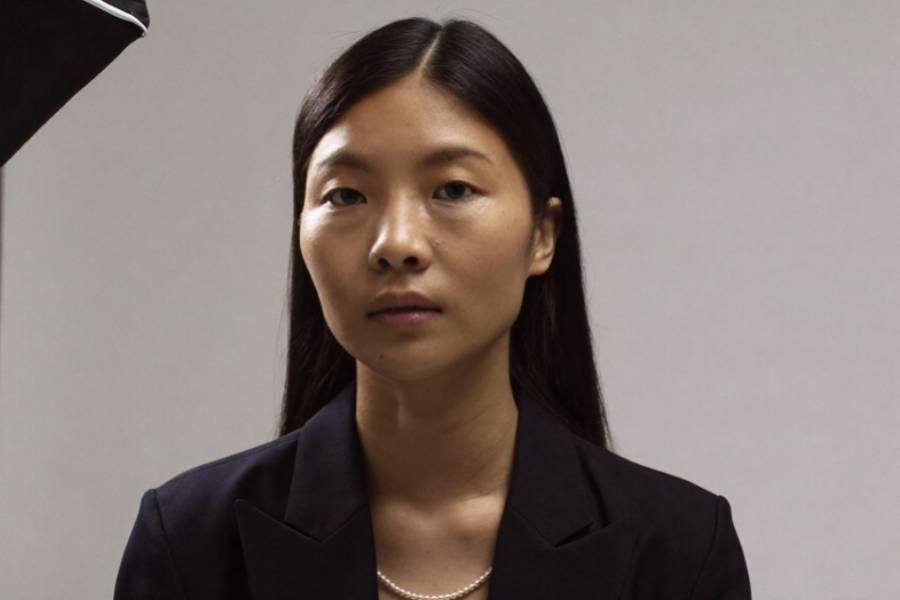
A headshot often provides those signals. Elements such as eye contact, facial expression, and posture convey subtle emotional information that text alone cannot capture. A relaxed but confident expression can suggest professionalism, while natural lighting and clear composition help the image feel authentic. Quality also plays a role in perception. A carefully composed portrait communicates attention to detail and professionalism. By contrast, a poorly cropped or dimly lit image may unintentionally suggest a lack of care in how one presents themselves.
It is important to note that a photograph does not tell the entire story of who you are. However, it does influence the opening moments of someone’s impression. Because first impressions are difficult to change, the visual introduction provided by a headshot can shape how your credentials are interpreted afterwards.
Professional business headshots explained: What they are and why they matter
Professional headshots have evolved considerably over the years. What was once a simple portrait used primarily for identification has become an essential component of modern professional branding.
A well-executed corporate headshot is designed to present an individual in a way that feels both polished and authentic. The objective is not to dramatically alter someone’s appearance, but rather to capture a version of them that reflects confidence, clarity, and professionalism. When done effectively, a headshot conveys several qualities at once. It shows that the individual is approachable yet competent, professional yet relatable. These qualities matter because they influence whether someone feels comfortable initiating contact, scheduling a meeting, or exploring a business opportunity.
Authenticity is particularly important. Images that appear overly staged or excessively edited can sometimes create distance between the viewer and the subject. People tend to trust photographs that feel natural and believable. A genuine expression often communicates more credibility than a perfectly posed but impersonal image.
Professional headshot photography relies on several technical considerations that contribute to this outcome. Lighting is carefully controlled to highlight facial features without creating harsh shadows. Lens selection helps maintain natural proportions, while composition ensures the subject remains the clear focal point of the frame. Background choice also affects how the image is perceived. Neutral or softly textured backgrounds help keep attention on the individual, while colour balance ensures the photograph appears clean and professional across different screens and devices. For organisations, these considerations extend beyond individual portraits. When team members share a consistent photographic style, the company presents a more unified identity. Matching lighting, backgrounds, and framing can make a team page appear organised and cohesive, reinforcing the professionalism of the organisation itself.
Ultimately, professional headshots function as a visual extension of your personal brand. They communicate values such as reliability, competence, and transparency, which are qualities that audiences look for when deciding whom to trust.
The increased value of trust amid today’s AI-generated and deepfake landscape
The importance of authentic visual representation has grown even more significant in recent years. Advances in artificial intelligence have made it possible to generate remarkably realistic AI headshots and similar images, sometimes blurring the line between genuine photography and synthetic visuals. At the same time, concerns about fake profiles and digital impersonation have become more common across online platforms. As a result, many people approach online interactions with greater caution than before.
This shift has increased the value of what might be called “authenticity signals”. These are cues that help reassure viewers they are interacting with a real person rather than a fabricated identity. Consistency across platforms is one such signal. When the same professional portrait appears on a LinkedIn profile, company website, and conference page, it strengthens the sense that a genuine individual stands behind those profiles.
This is also why professional corporate photos still beat AI headshots when it comes to building trust. Professional photography contributes to credibility in subtle but powerful ways. Natural lighting, realistic textures, genuine facial expressions, and thoughtful composition often make authentic photographs feel far more believable than artificially generated images. Even if viewers cannot pinpoint the exact reason, they tend to place more trust in visuals that feel grounded in real-world photography. A genuine headshot does not simply represent how someone looks, but also reinforces the legitimacy of their professional presence and personal brand.
What makes headshots a valuable brand asset
Many professionals treat headshots as a single-use image, uploading them to a social profile and rarely thinking about them again. In reality, a strong portrait can serve as a versatile asset across numerous professional contexts.
A well-crafted headshot can appear in many places, including:
- LinkedIn profiles and email signatures
- Virtual meeting platforms such as Zoom
- Company websites and team biography pages
- Conference speaker profiles
- Press kits, podcasts, and media features
- Proposal documents or presentation slides
Using the same image consistently across these touchpoints helps strengthen recognition. When people encounter the same portrait repeatedly in professional settings, they begin to associate that face with expertise and reliability.
For businesses, the impact is even more pronounced. When every team member’s photograph follows the same visual style, the organisation appears coordinated and professional. Visitors browsing a company’s website may not consciously analyse the images, but a consistent presentation contributes to the overall perception of stability and competence.
This cohesion can influence how prospective clients view the organisation. A well-presented team page suggests that the company values structure and professionalism, qualities that often translate into greater trust. Seen from this perspective, headshots are not merely decorative images. They function as part of a broader branding strategy, supporting marketing efforts and reinforcing credibility wherever the organisation appears.
Do headshots need to be updated frequently?
Another common question professionals ask is how often they should replace their headshot. The answer depends less on time and more on accuracy. A useful guideline is that the photograph should represent how you currently look. If your appearance has changed noticeably, perhaps due to a new hairstyle, facial hair, or glasses, the image may no longer provide an accurate representation.
When viewers encounter a mismatch between an online photo and the person they meet in real life, it can create a subtle moment of confusion. Although the difference may seem minor, even small inconsistencies can affect how people perceive authenticity. For this reason, many professionals update their headshots every few years. Others refresh their images sooner if they change roles, adjust their personal branding, or want a photograph that better reflects their current stage of life or career.
Updating a headshot does not always require a dramatic new look. Sometimes, a fresh photograph simply captures a more current version of the individual, maintaining alignment between their online presence and real-world appearance. Ultimately, the goal of a headshot is accuracy rather than aspiration. When the image reflects who you are today, it strengthens the credibility of your professional identity.
Conclusion
With professional connections now often beginning online, visual impressions carry significant influence. Before someone reads your biography or reviews your experience, they are likely to encounter your photograph. A thoughtfully crafted headshot helps ensure that this first encounter communicates the right message. It signals professionalism and attention to detail, all within the brief moment someone spends viewing your profile.
Ready to present your team in the best possible light? Firefly Photography offers professional corporate headshot photography that helps individuals and organisations build trust and credibility at first glance. Get in touch with us today to schedule your session and create polished headshots that elevate your brand presence across LinkedIn, websites, and marketing materials.