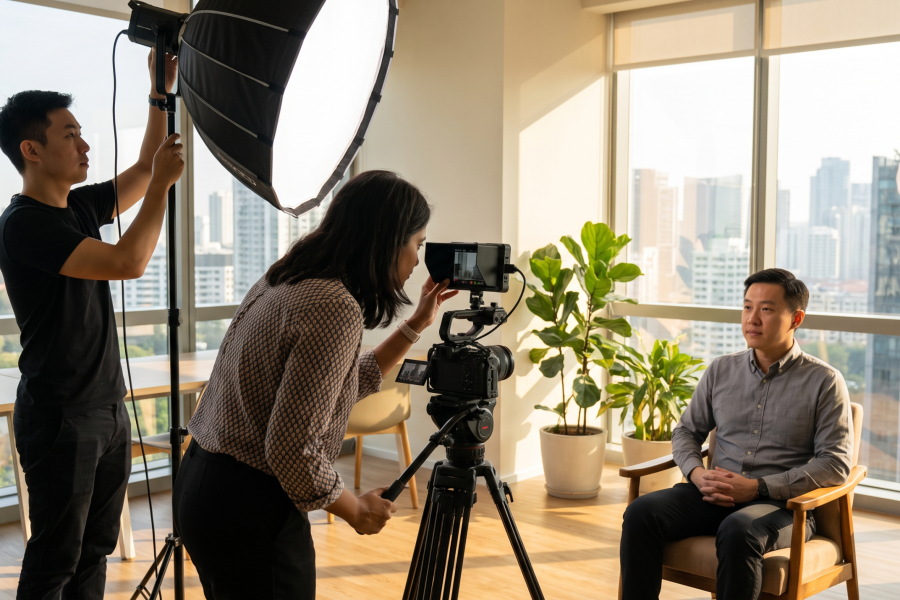
Somewhere in every marketing team there is a folder called “video ideas” with eleven documents in it, none of which have been filmed. The intent was always there. What was missing was a day in the calendar and a plan for how to use it.
Booking a crew four separate times across a year costs four setups, four rounds of scheduling and four different lighting looks. Booking them once, with a proper shot list, gives you a library you can draw from all year. The difference is almost entirely in the preparation.
Why one day goes further than four half-days
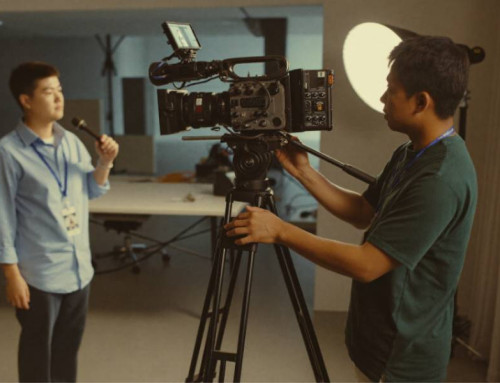
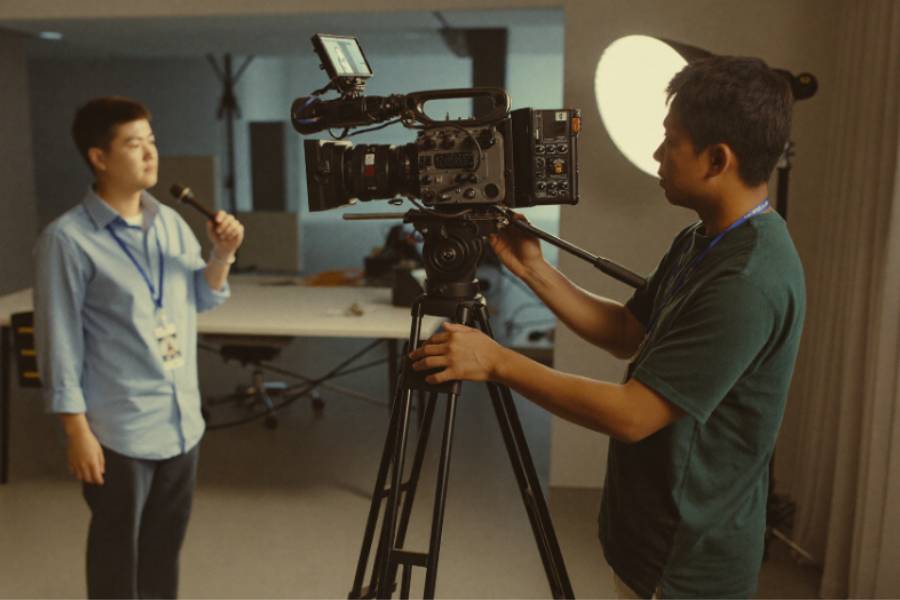
Most of the cost and most of the faff in filming sits at either end of the day. Lights go up, sound is tested, the room is dressed, people are found and reassured, and then the same thing happens in reverse at five o’clock. Filming three things in one visit means paying that overhead once.
Consistency is the other gain. Footage shot on the same day, in the same room, under the same lights, cuts together cleanly six months later. Clips filmed across four visits rarely match, and a viewer notices the jump even when they could not tell you why. Good video production planning treats the whole year as one shoot with several deliverables.
Decide the outputs before the shot list
Start at the end. Write down the finished pieces you want, where each will be published, and roughly how long each should run. A ninety-second company overview for the website, a set of short vertical clips for social, and two staff introductions for recruitment are three quite different jobs, and each one changes what has to happen in the room.
Aspect ratio is the decision people forget until the edit, and by then it is too late. Vertical crops from wide footage only work if the camera left room at the top and bottom, so tell the crew up front where each piece is going. The way audiences in Singapore watch video across platforms is tracked in the Infocomm Media Development Authority’s OTT video consumer study, and it is a useful reality check when someone insists everything must be landscape.
Length discipline pays off too. Ask for one long anchor piece and a stack of short ones, because the shorts are what will keep your channels fed between campaigns, and they are cheap to produce once the crew is already in the building.
Build a shot list that stacks
A stacking shot list captures material that can be recombined later. Interviews give you the words, cutaways give you the pictures, and a bank of neutral office footage gives the editor something to cover any awkward join for the next twelve months.
Order the list by how much setup each item needs, not by how important it is. Everything that uses the same lighting position should be filmed together, so the crew is not rebuilding the room three times before lunch. Your producer will usually reorder the day for you, but bringing a list that already groups itself saves a good half hour.
- Two or three interviews, each answering the same questions in slightly different ways.
- A walk-and-talk down a corridor, filmed twice, in landscape and with room for a vertical crop.
- Hands at work: keyboards, samples, tools, whatever your business actually does all day.
- Wide establishing shots of the office, filmed empty and filmed busy.
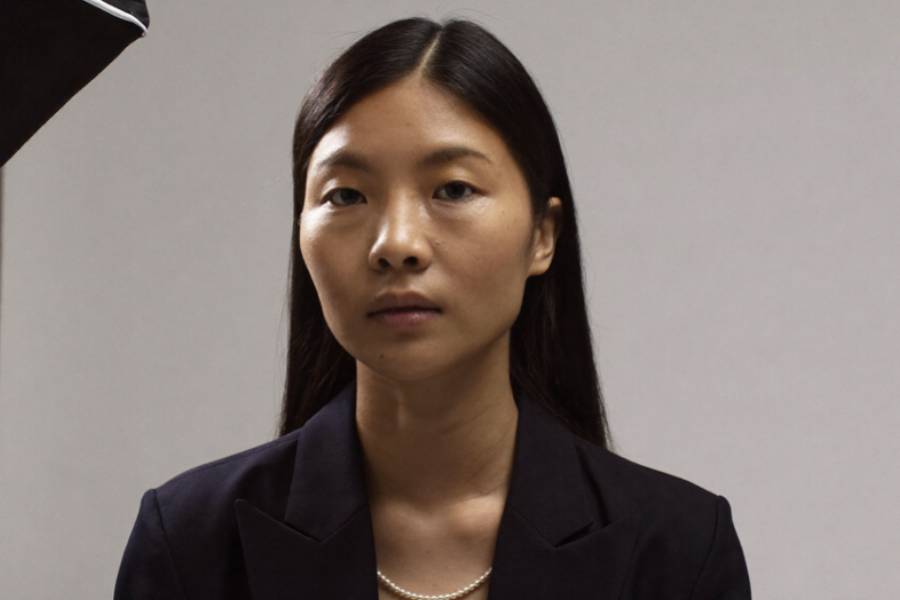
- Short pieces to camera of no more than twenty seconds, filmed against a clean background.
- Silent b-roll of colleagues talking to each other, which will cover almost any edit.
Get your people ready
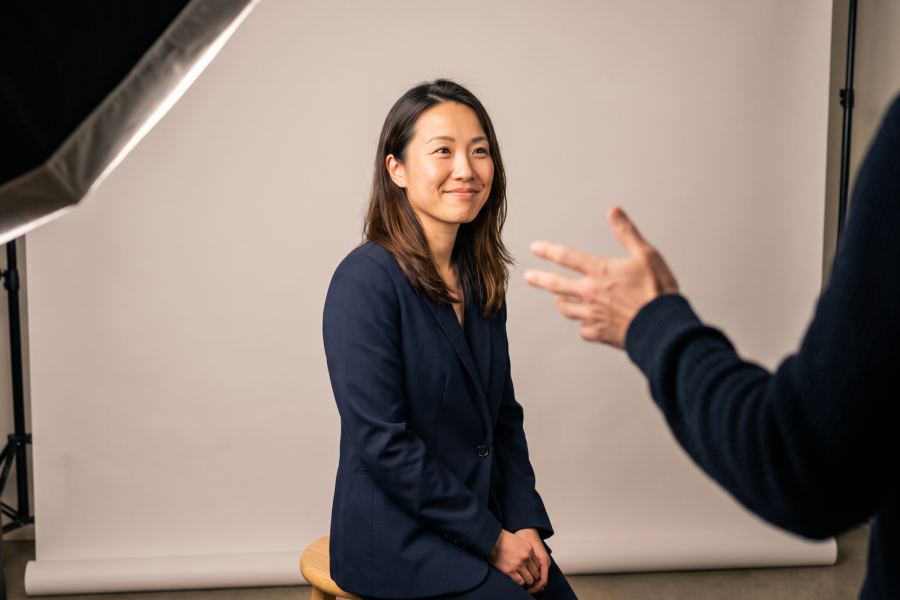
Send everyone who will appear on camera their questions at least three days ahead, and tell them not to memorise the answers. People who have thought about a question sound thoughtful, while people who have learned a script sound like they are reciting one. Book a quiet room for them to sit in beforehand, warn them that the first two takes will feel terrible, and remind them that the editor only needs one good sentence at a time.
Wardrobe, set and the things that date footage
Footage ages faster than photographs, usually because of small details nobody thought about on the day. A visible date on a whiteboard, a seasonal decoration in the corner, a poster for an event that finished last quarter, and suddenly a clip you meant to reuse in March looks like a repeat.
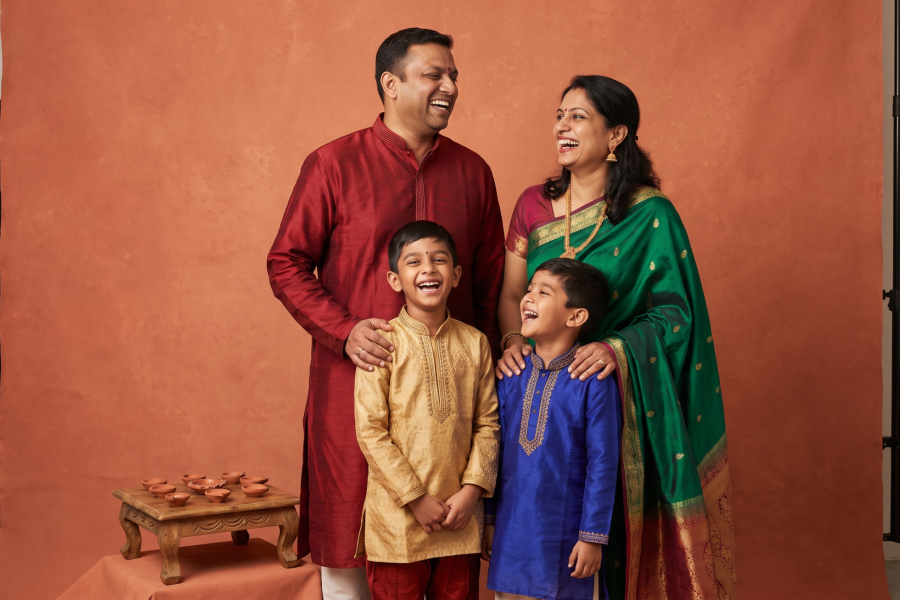
Wardrobe deserves the same thought. Ask people to choose something they would wear to meet a client, avoid anything with a large logo across the chest, and keep the overall palette loosely consistent so clips from different interviews can sit next to each other in the same edit.
- Ask people to avoid loud patterns, which can strobe on camera, and to bring a spare top.
- Clear anything dated from the background, including calendars and campaign posters.
- Keep festive decorations out of frame unless the clip is deliberately seasonal.
- Tidy the desks in shot, because clutter reads as chaos on a wide lens.
Edit in batches, not one piece at a time
Once the footage is in, resist the urge to finish one video and move on. Log everything first, mark the usable takes, and cut the anchor piece. The shorts then come out of material you have already reviewed, which is much faster than starting from scratch each time.
Agree a review process before the edit begins, because feedback scattered across email, chat and a phone call is what turns a two-week edit into a two-month one. One named approver and one consolidated round of comments will save everybody a fortnight.
Then keep the raw files somewhere your team can find them next year. Photo coverage for your year-end company party gives you stills for the same purpose, and the two libraries together mean your next campaign starts with assets already in hand.
Conclusion
A single well-planned day in the diary, filmed with the whole year in mind, will quietly outperform four rushed ones. Firefly Photography has been producing photography and video for Singapore businesses since 2012, with planning meetings, professional lighting and audio, and a collaborative review process built into how we work. Tell us what you need to publish over the next twelve months, and we will help you work out what a single day could realistically cover.