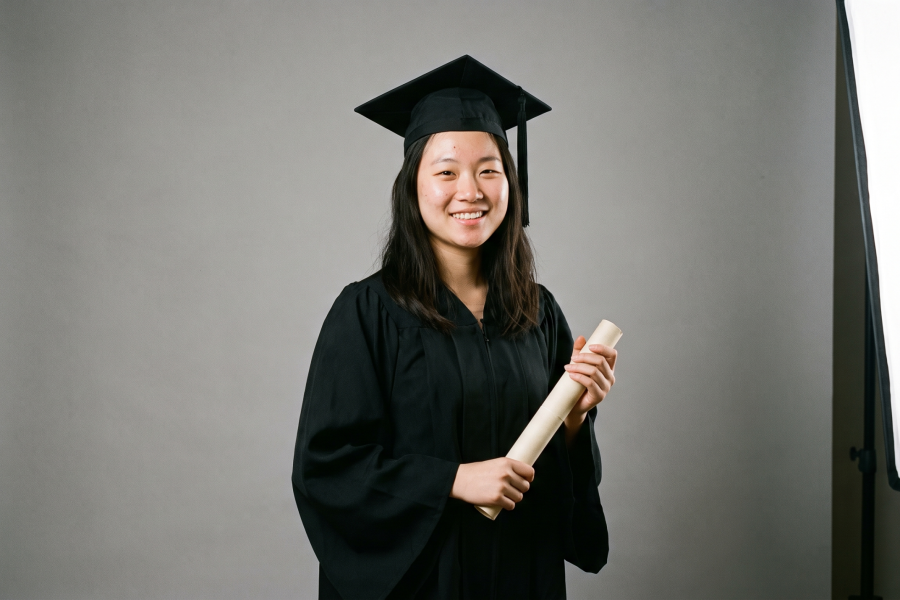
You have survived four years of deadlines, one final semester that nearly finished you off, and a gown collection queue that moved at the speed of continental drift. Then you step in front of the camera, and suddenly you have no idea what to do with your arms.
Almost everyone feels this. Posing is a skill nobody teaches, and standing still while someone photographs you is a strange thing to be asked to do at any age. The good news is that a handful of small physical habits fix most of it, and none of them require you to be photogenic in any particular way.
Why standing still feels so strange
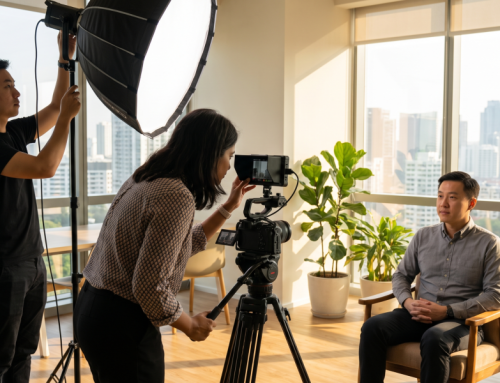
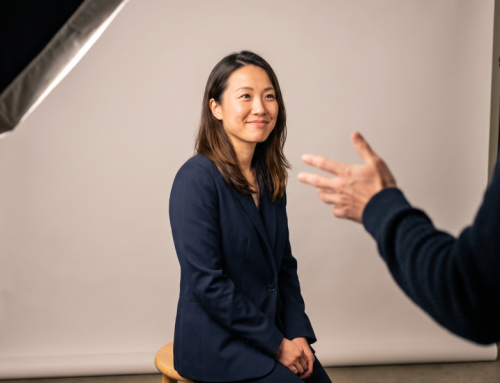
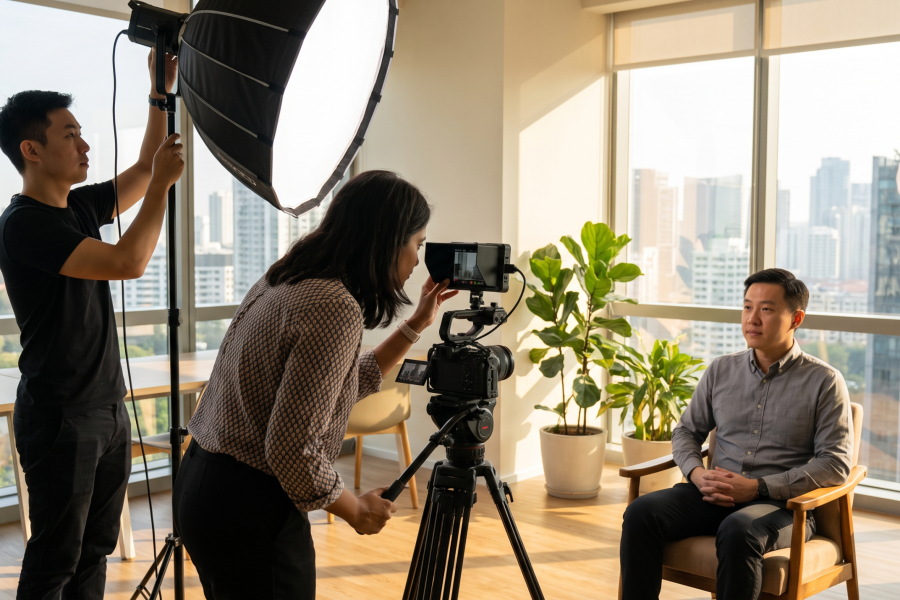
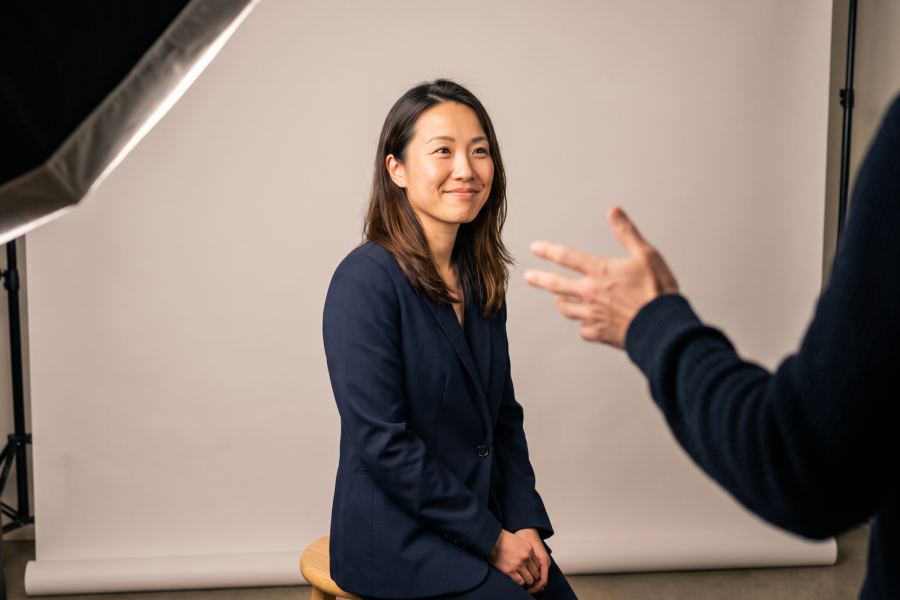
In daily life, your body is always doing something, so the moment it has no job it defaults to attention: feet together, arms pinned, shoulders creeping upwards. The camera reads that as tension, even when your face says otherwise. A good photographer will direct you through most of it, which is one of the quiet advantages of a studio graduation photoshoot over a self-shoot with a tripod and a timer. Every prompt below is really just a way of giving your body something ordinary to do.
Start with your feet
Weight on one leg. That is the whole trick, and it does more for a portrait than any amount of chin adjustment. Shift your weight onto your back foot, let the front knee soften, and your hips and shoulders will settle into a natural line without you thinking about it.
Turn your feet about forty-five degrees away from the camera and bring your face back towards the lens. Standing square to a camera makes almost anyone look wider and stiffer than they are, while a slight angle reads as relaxed.
If you have been standing in one position for a while, walk two steps out of frame and come back in. Movement resets everything, and a good photographer will often shoot in the second or two after you return, before your body has time to lock up again.
Give your hands something to do
Hands are the part people worry about most, and the fix is to occupy them. A rolled scroll, the edge of your gown, a pocket, a strap, or simply loose fingers with a soft curve will all read better than fists or flat palms pressed against your sides.
- Hold a scroll low with both hands, arms relaxed, and let your elbows sit slightly away from your body.
- Rest one hand lightly on the opposite forearm, which naturally lifts the shoulder line.
- Take the hood of the gown in one hand as if you have just adjusted it, then look up.
- Slide one hand into a pocket and leave the thumb outside, which stops the shoulder from collapsing.
Working with the gown
A gown does not behave like normal clothing. It has volume, it swings, and it will happily hide the shape of your whole body if you let it. A studio helps here, because there is space to see the whole silhouette and lighting that shows the fabric’s texture instead of flattening it.
The mortarboard sits further back on the head than instinct suggests. Aim for roughly a finger’s width above the eyebrows, with the board level, and get someone to check it between setups because it creeps as you move. Sleeves are the other thing to watch, since long, wide ones swallow the hands completely when your arms hang straight, so bend your elbows a little and let the fabric fall behind your wrists.
- Hold the front edges of the gown lightly with both hands for a classic, formal frame.
- Let one arm swing naturally while you walk towards the camera for something more relaxed.
- Sit on a stool with the gown spread deliberately and your back long, which gives a completely different mood.
- Throw the mortarboard only at the end of the session, when the formal shots are safely captured.
- Look away from the camera on a few frames, because not every picture needs eye contact.
Bringing family and friends into the frame
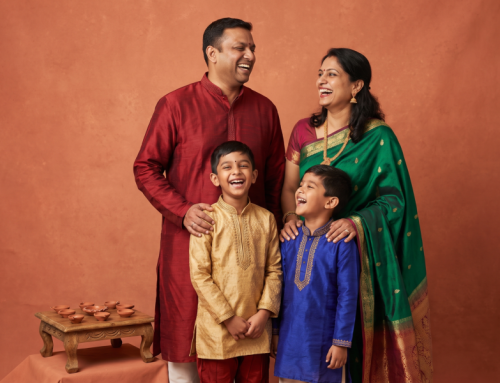
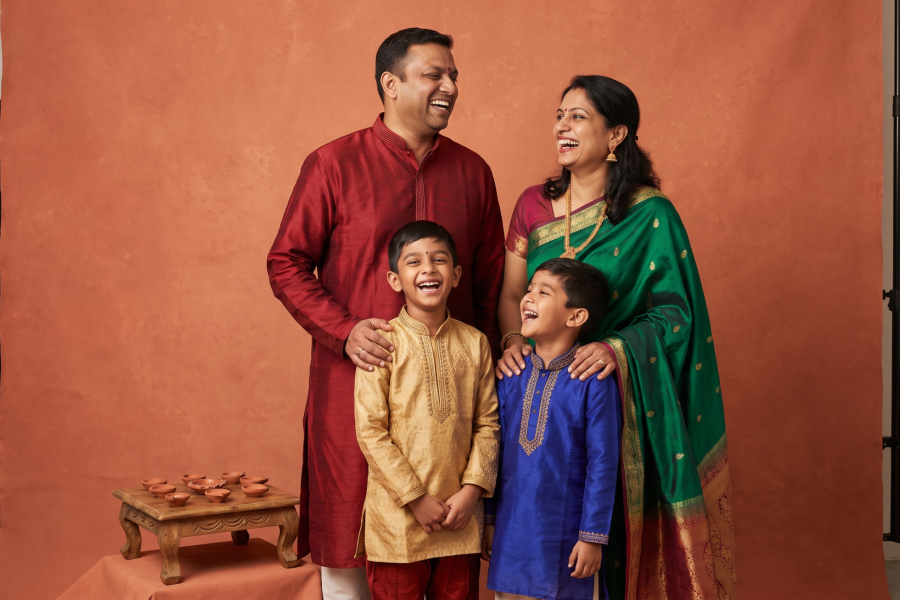
Group shots go stiff for a different reason: everyone lines up like a school photograph and holds their breath. Break the line. Stagger people at slightly different depths, ask them to turn their bodies towards you instead of towards the camera, and the group will look connected instead of assembled.
Parents in particular often need permission to be affectionate on camera, so give it to them. Ask your mother to fix your hood, or your father to straighten the mortarboard, and photograph what happens next. Running through a checklist for a smooth grad photoshoot the night before also means nobody arrives flustered, which shows on faces more than people realise.
Height differences are the other thing that trips groups up. Seat one or two people, ask the taller ones to stand a step further back, and everybody’s face lands closer to the same plane, which keeps the whole group sharp and stops anyone looming. If grandparents are joining, bring a chair into the frame from the start so nobody spends the session standing longer than they would like.
The expression comes last
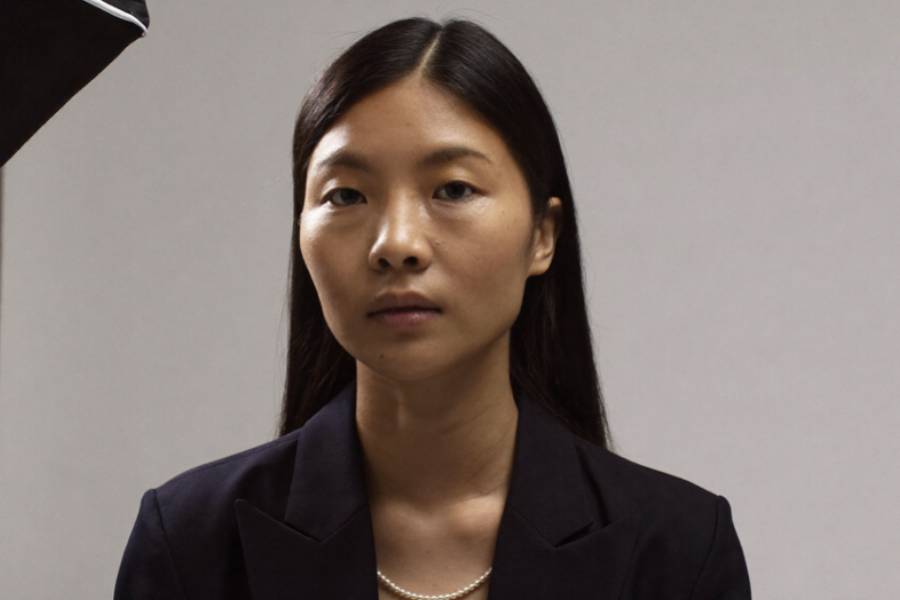
Do not hold a smile while the photographer adjusts a light, because a held smile drifts into a grimace within about eight seconds. Let your face rest, breathe out, and smile on the count. If you are stuck, think about the specific person who nagged you through your final year, and let the picture catch whatever that thought does to your face.
Conclusion
Poses are only scaffolding. The pictures you keep are the ones where you look like yourself on a good day, and getting there is mostly about feeling comfortable in the room.
Firefly Photography has been photographing graduates in Singapore since 2012, with pose guidance from the photographer throughout the session, a choice of backdrops, and editing done in-house. Come and talk to us about your convocation dates, and we will help you plan a session you will actually enjoy being in.