The email lands on a Tuesday afternoon. Marketing wants fresh portraits of all thirty-two staff for the new website, the photographer is confirmed for Thursday next week, and somehow you are the one holding the spreadsheet.
Nobody trains you for this bit. Booking the photographer is the straightforward part. Getting thirty-two adults photographed in a single day, in the right clothes, in the right order, without half the sales floor vanishing into client calls, takes a little planning. Here is how the smoothest days tend to run.
Decide what the photos are for before anything else
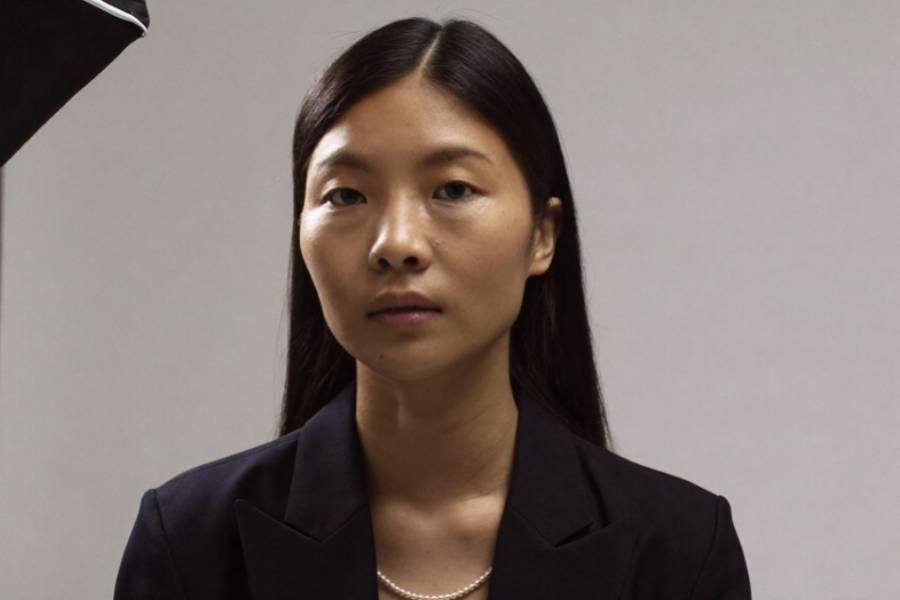
Work out where the images will end up before you touch a schedule. A LinkedIn profile, a website team page, a speaker slide and an internal staff directory each want a slightly different frame, and knowing the answer changes how tightly we crop and how much room we leave around the shoulders.
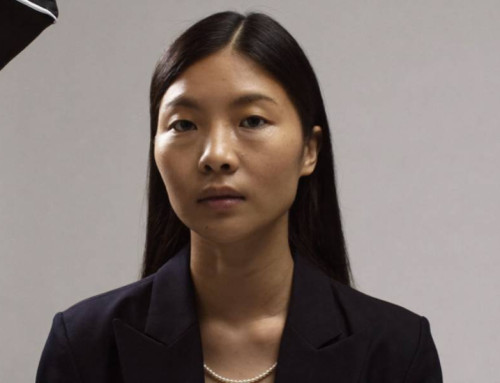
That decision also settles the consistency question. When portraits sit side by side on one page, they need the same backdrop, the same lighting and a similar crop, which is the argument for photographing everyone in one sitting instead of picking people off across several months. A corporate headshot taken under those conditions sits neatly beside the one next to it, and the team page finally looks like a team. If LinkedIn is the main destination, the platform’s own profile photo guidelines are a sensible sanity check before you brief anyone.
Build a schedule your colleagues can actually keep
Ten to fifteen minutes a person is the realistic unit. That covers settling in, a few frames standing, a few seated, and a moment to fix a collar before the next person walks in. Thirty-two people at twelve minutes each comes to roughly six and a half hours, so a full day with proper breaks built in is about right.
Group people by floor, department or shift instead of alphabetically. Colleagues who already sit together will walk over together, and that cuts the dead time between slots far more effectively than any reminder email.
Then leave two or three empty slots scattered through the middle of the day and one at the end. Someone always gets pulled into a call, and a gap saves you from booking a second visit for a single person.
Send the styling brief early
A week’s notice gives people time to wash and iron something they feel good in. A morning’s notice gives you a room full of lanyards and creased polo shirts. Keep the brief short and specific, and send it twice.
- Solid mid-tone or dark colours photograph most reliably, while tight stripes and small checks can shimmer oddly on camera.
- Bring a spare top in a different colour if you are undecided, and choose on the day.
- Take off lanyards, event wristbands and anything carrying a printed logo before you sit down.
- Glasses wearers should bring the frames they actually wear, and we will angle the light around the reflections.
- A comb, a lint roller and a little blotting paper by the door help more than you would expect.
Anyone who has already had to prepare for a LinkedIn photoshoot will know most of this instinctively, so lean on those colleagues to spread the word informally. Peer nudging works better than a policy note.
Set the room up before anyone arrives
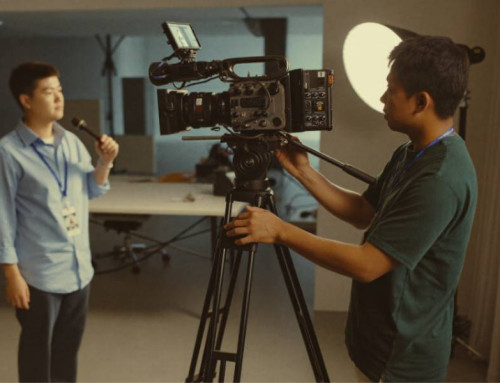
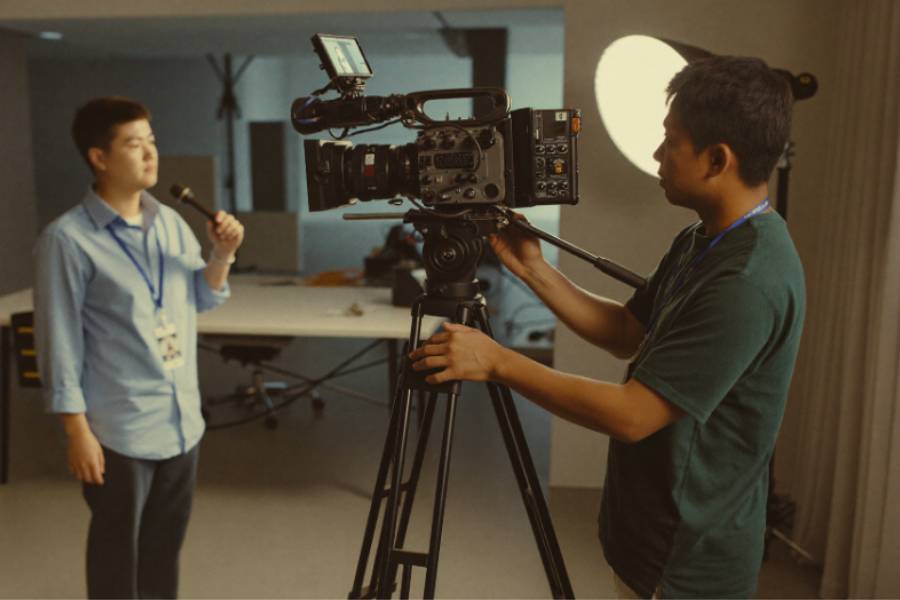
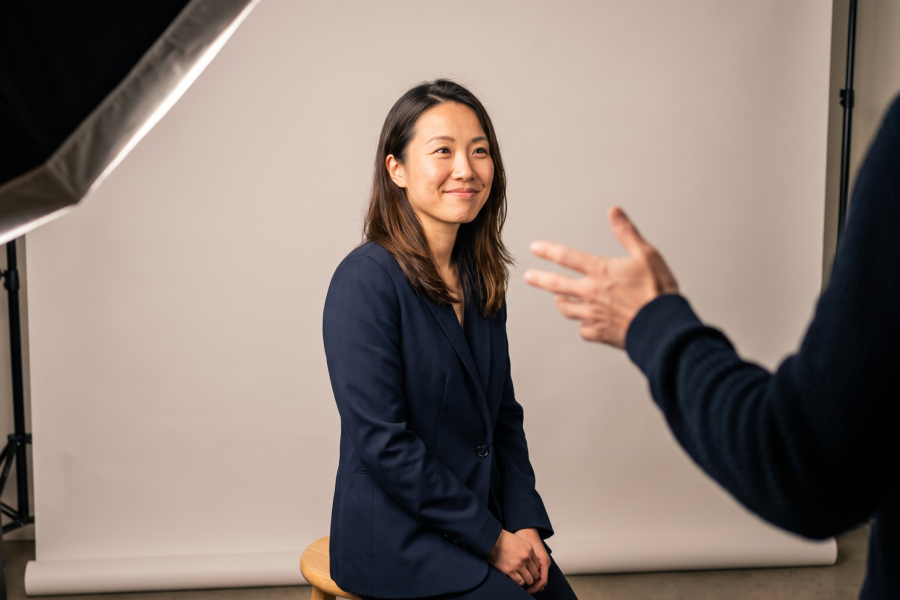
Give the photographer a room with a bit of depth, ideally three metres or more between the subject and the wall, so the background falls softly out of focus and the lighting has somewhere to go. A meeting room with a blank wall, a door that closes and a spare plug socket beats a bright open-plan corner every time, because passing colleagues and background noise make people self-conscious. We bring our own backdrop, lights and stands, so the space and about twenty minutes of setup time are all we really need from you.
Keep the queue moving on the day
Ask one person to own the running order. Not the photographer, who will be busy directing, and ideally not you, if you are also being photographed.
Set up a small waiting spot just outside the room with a mirror in it. People fix their own hair far more happily in private than under a softbox with a queue watching, and it quietly shaves a minute off every slot.
Expect the first few people to be stiff, because nobody has warmed up yet. Send someone confident first if you can. Their laughter carries through the door, and the rest of the queue relaxes before they even sit down.
Plan what happens to the files
Agree the deliverables before the day: how many edited images per person, who picks the selects, and which sizes you need for the website and for print. Our editing is done in-house in Adobe Lightroom and Photoshop, and turnaround depends on the size of the group and the number of finals you want, so ask for an indicative timeline when you book instead of assuming next-day delivery.
Decide who chooses, too. Letting each person pick their own favourite feels democratic and takes three weeks. Having marketing pick from a shortlist takes an afternoon. Most teams land somewhere in the middle, with two options per person, a two-day deadline, and a default if nobody replies.
Conclusion
Get the schedule, the brief and the room right, and the photography part of the day quietly looks after itself. Firefly Photography has been photographing Singapore teams since 2012, from our studio in Yishun or on location at your office, and we are happy to talk through how your day could run. Send us your team size and the dates you are considering, and we will help you build a plan that works around everyone’s diaries.