
Three weeks out from convocation, the group chat fills with screenshots. Someone has saved forty poses, at least six of which involve a jump, and everyone has quietly decided they will not be doing the jump.
Most people walk into a studio with a folder of references and a low-level fear of looking wooden. The reassuring part is that stiffness has very little to do with the pose itself.
Why People Look Stiff
A pose fails when the body is holding a shape it would never hold on its own. Locked elbows, shoulders squared to the lens, weight planted evenly on both feet, chin pushed forwards. Hold any of those for four seconds and the face follows the body into rigidity.
Photographers get around this by giving you something to do instead of something to be. A graduation photoshoot runs far more smoothly when the direction is an action: turn towards your mum, adjust your sleeve, walk two steps and stop, look down at the scroll then back up. The body sorts itself out along the way, and the face comes along with it.
Start With Your Weight, Not Your Face
Shift your weight onto your back foot. That single change drops the front shoulder a little, puts a soft bend in the front knee, and kills the flat passport-photo squareness that makes people look like they are queueing for something. It feels exaggerated while you are doing it and looks completely normal in the frame, which is true of most posing advice.
From there, angle your body away from the camera by roughly thirty degrees and bring your face back towards it. The gown behaves better at an angle too, falling in a line down the body instead of hanging off you like a curtain.
Hands are the other giveaway. Give them a job. Hold the scroll low and slightly to one side, rest one hand in a pocket where the gown allows it, or carry the mortarboard at hip height. Hands with no instructions drift to the front of the body and lock there like a shield.
The Gown Is Doing More Than You Think
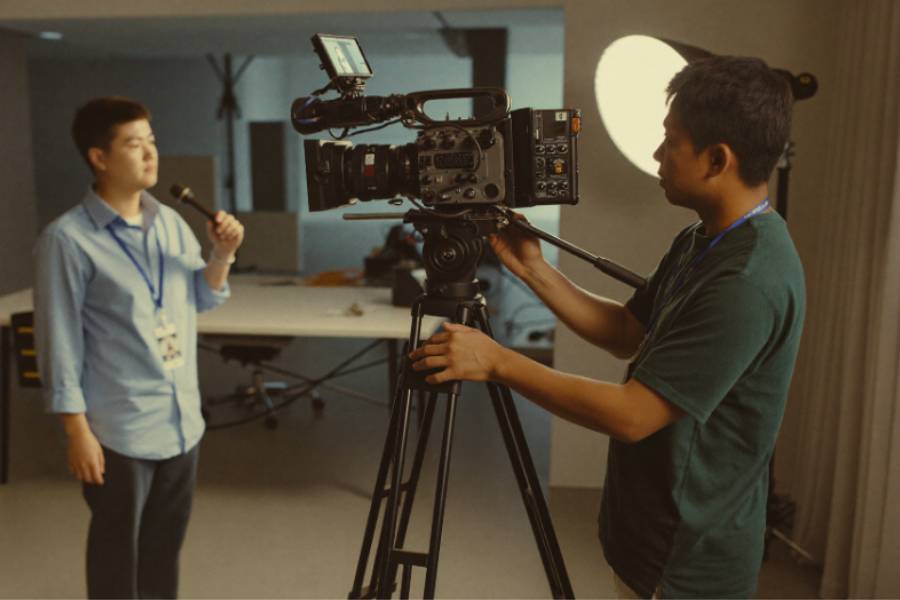
Steam it the night before, or hang it in the bathroom while you shower, because creases across the shoulders show up mercilessly under studio light. Sleeves want pushing back a touch at the wrist so your hands read as hands, and the mortarboard sits flat with just enough backwards tilt to keep your eyes out of shadow. A photographer will fix all of this on the day, but turning up with an uncreased gown buys you ten more minutes of actual shooting. Check the hood or sash sits the right way round before you leave the house too, since that one is surprisingly easy to get wrong and very obvious afterwards.
Sitting Poses Are Underrated
Almost everyone plans a session entirely on their feet, then discovers halfway through that standing for twenty minutes makes them self-conscious. A stool changes the whole feel of a set. Sitting forward with elbows on knees reads as relaxed and confident, and it gives the gown somewhere to fall naturally instead of pulling across the shoulders.
Sitting also solves the height problem in group frames. Putting one or two people on a stool and letting the rest stand behind breaks up the flat line that makes family shots look like an official delegation.
Expressions You Can Actually Hold
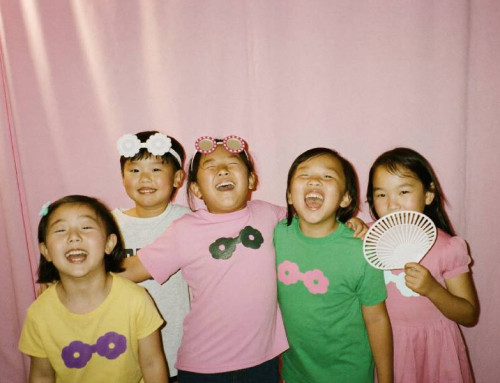
Nobody can sustain a genuine smile on request for twenty minutes. What tends to work is cycling through a small set: a soft closed-mouth look, a proper laugh, a quieter one looking slightly off-camera, then back to neutral before starting again.
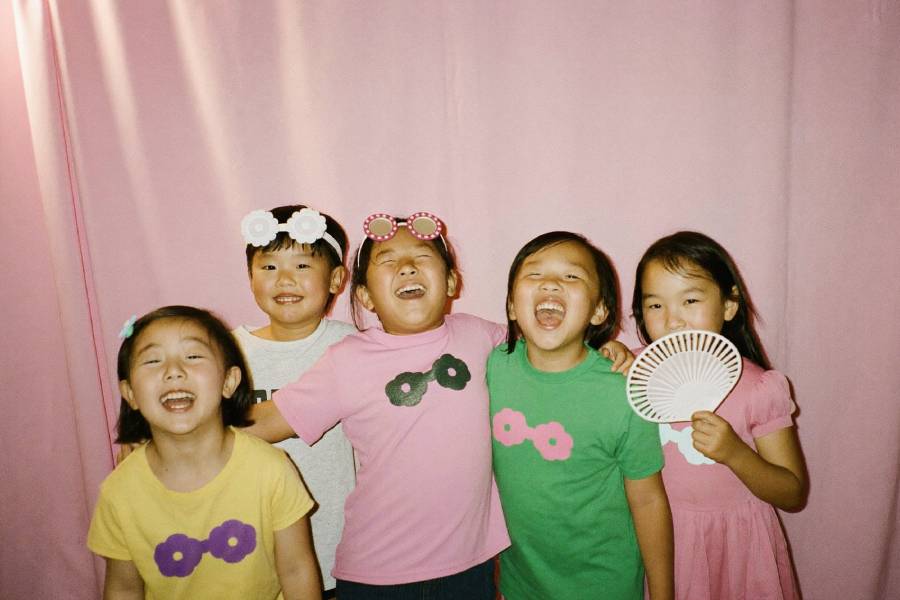
Laughs are much easier to come by with someone else in the room. If a friend or a parent is tagging along, that person is your greatest asset. Ask them to stand just behind the photographer and be mildly annoying.
Between frames, drop the expression completely and reset your face. Expressions held too long start to look held, and that is usually what people mean when they say a photo looks fake. Photographers watch for the half-second after a laugh finishes, because that is where the warm, unguarded frames tend to live.
Frames To Ask For Before You Leave
Most sessions run to a rough order, and a few frames are easy to forget in the moment. Ask for them early so nobody is rushing at the end:
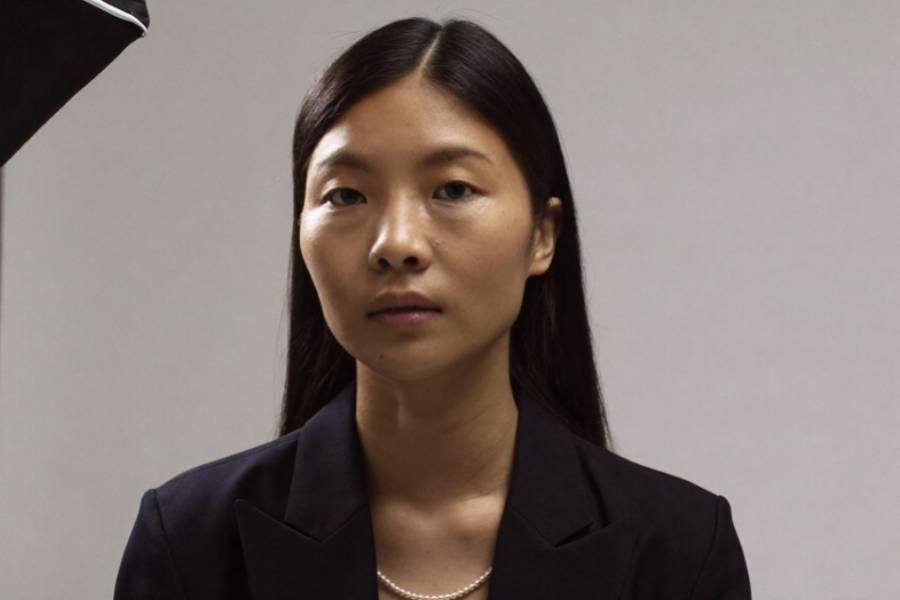
- A clean head-and-shoulders frame, useful for anything official later on
- One full-length shot showing the whole gown
- A quiet frame looking away from the camera
- The scroll handover with a parent, if family are coming
- One deliberately silly frame, which is nearly always the one people keep
Bringing Other People Into It
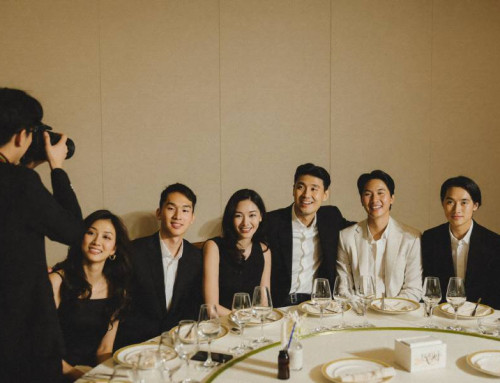
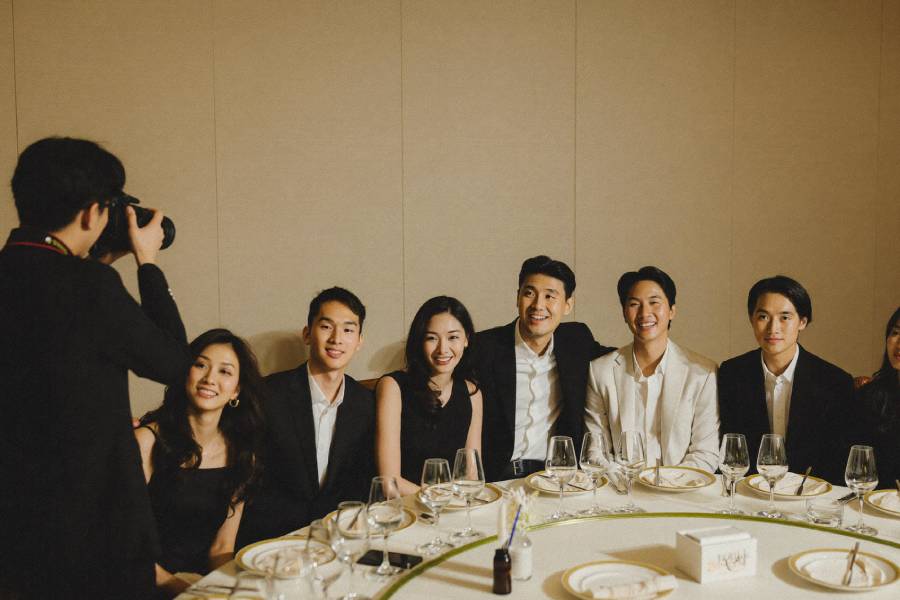
Family and friend shots need a different approach, because the failure mode here is a row of people standing shoulder to shoulder like a disciplinary panel. Stagger the heights, get people turning towards each other, and let at least one frame be completely candid.
Booking enough time is what makes that possible. Planning a smooth grad photoshoot day around a clear running order helps, with solo frames first while you are fresh, then family, then friends once everyone has warmed up and stopped checking their phones.
If grandparents are coming, put their frames near the front of the session. Standing about in a studio is tiring, and the pictures are always better before anyone has been waiting an hour on a folding chair.
Conclusion
Almost every good frame from a convocation session comes from a moment when the person in front of the lens forgot to perform. Posing is really just a way of getting you there faster.
If you are sorting out your session and would like someone to walk you through it on the day, Firefly Photography would love to help. Bring your gown, bring whoever makes you laugh, and leave the rest to us.