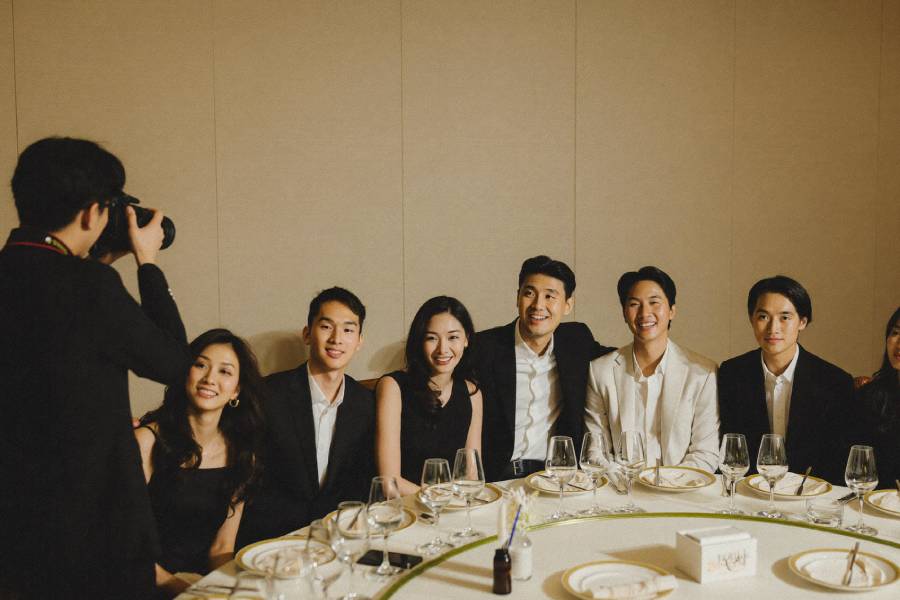
Someone always asks about three weeks out. The venue is booked, the emcee is sorted, the lucky draw prizes are sitting in a storeroom, and then a message lands in the committee chat: who is taking photos this year?
That question tends to arrive far too late. A dinner and dance moves fast, and the gap between a folder nobody ever opens and a set of images your comms team pulls from all year usually comes down to decisions made weeks earlier.
Start With What The Photos Are For
Before you compare quotes, work out where the images will actually end up. A careers page needs wide shots of a room that looks alive. An internal newsletter needs faces, and plenty of them. A slide for next year’s kick-off needs one strong frame of the whole company together in the same place. Write that list down, because it shapes almost everything else. A brief that says “cover the D&D” produces a general gallery. A brief that says “we need a full-company group shot, portraits of the six award winners, and candids from every table” produces something you can use in January. Booking an event photographer early also gives you room to talk all of this through properly, instead of firing over a shot list at 6pm on the day.
Lock The Run Sheet Before You Lock Anything Else
A run sheet is the single most useful document you can hand over. It does not need to look pretty. It needs to say what happens, when it happens, and roughly where the photographer should be standing when it does.
The tricky moments are the ones that happen exactly once. An award handshake lasts about four seconds. If nobody has mentioned that the guest of honour is arriving through a side door at 7.45pm, that frame is simply gone.
Most of the run sheets we work from cover:
- The arrival window, and whether guests are being received anywhere on the way in
- Exact timings for speeches, awards and performances, with names in the order they will be called
- Any surprise element, plus who else in the room already knows about it
- Where the full-company group shot will happen, and who is herding people into place
- The point in the evening when coverage can wind down
Sharing this a week ahead, not on the night, gives everyone time to flag problems. A group photo of 180 people in a function room with a low ceiling and nothing to stand on is a problem you want to hear about early.
Table Shots Take Longer Than You Think
Table shots eat time. Twenty tables of ten, done properly with everyone standing and nobody caught mid-blink, takes the better part of an hour. Decide upfront whether you want all of them or only a handful, and tell your emcee, because a photographer working the room during a speech quickly becomes the distraction. The role of conference photography sits closer to quiet documentary work, where the camera follows an agenda. A dinner asks for that and a working of the room on top.
A Ballroom Is Not A Studio
Function room lighting is built for atmosphere, not for cameras. Dim tungsten downlights, coloured stage washes and a spotlight that moves halfway through a speech all look wonderful to the eye. They cause real problems for a sensor. Skin tones drift orange, faces sink into shadow, and a stage lit in deep blue will not hand you a usable award photo without help.
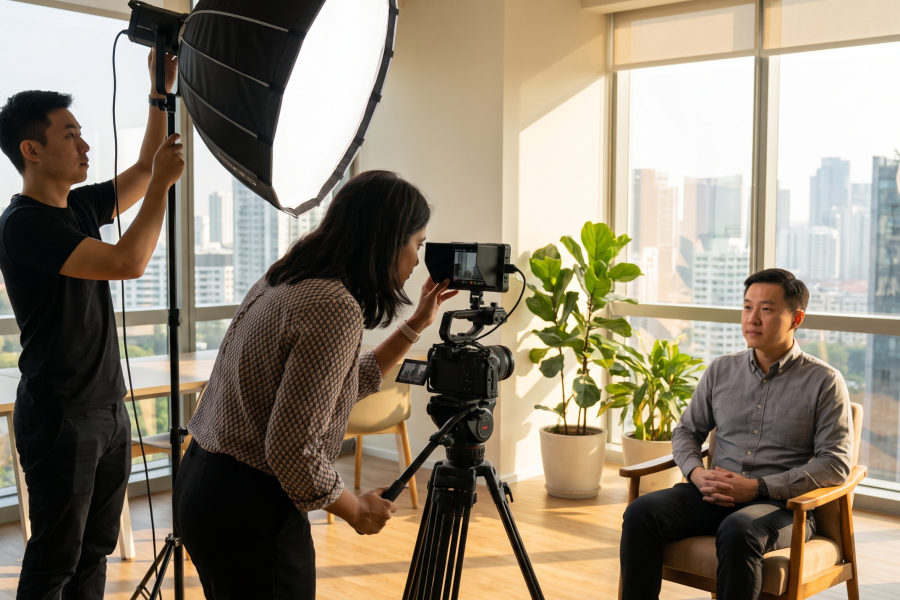
This is why an experienced team brings its own light and knows when to use it. Bounced flash, where the light is aimed at a ceiling or a wall so it spreads softly instead of hitting people head on, keeps faces clean while the room behind stays warm and moody.
If your venue has a rule about flash during performances, say so in advance so the plan accounts for it.
Decide About Video Before The Run Sheet Is Final
Plenty of companies want more than stills these days. A two-minute highlights film gives you something for the intranet, the careers page and next year’s teaser, and it is far cheaper to shoot alongside the photography than to recreate later. If that appeals, video production needs to be agreed before the run sheet is finalised, because a second person moving through the room changes where everyone stands.
The same logic applies to an instant photo booth in the corner. It has its own space and power needs, so it belongs in the floor plan and not in a phone call on the afternoon of the event.
Tell Guests The Camera Is There
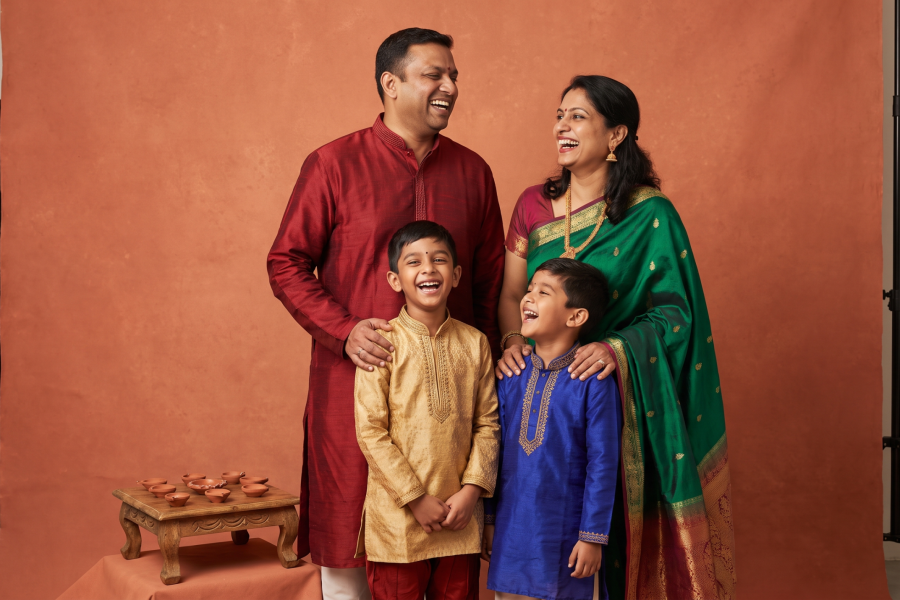
A D&D is still a work event, and not everyone in the room wants to be photographed. A line in the invite, a quick word from the emcee at the start, and a note to the photographer about anyone who would prefer to sit those frames out covers it without any fuss. Take a little extra care with images of children at family-friendly events, and with service staff working the floor who never agreed to appear in your annual report.
After The Last Dance
Ask how the images arrive and roughly how long they take. Editing a full evening properly takes time, and turnaround varies with the length of coverage, the number of frames and what you have asked for at the end of it. Anyone promising a complete gallery by breakfast is either shooting less or editing less. If you need something for social media the next morning, ask for a small set of quick selects as a separate deliverable.
We hand over high-resolution files through a private online gallery, with timings depending on the coverage agreed. Setting that expectation before the night is always easier than explaining it the following week.
Conclusion
A good D&D gallery does not happen by accident. It comes from a committee that decided early what the photos were for, wrote it down, and gave the person holding the camera a fighting chance.
If your company dinner is already pencilled in, we are happy to walk through your run sheet and work out what coverage would suit the room. Firefly Photography has been documenting corporate nights out in Singapore since 2012, from award ceremonies to the slightly chaotic last hour, and we would love to help you plan this one properly. Get in touch and let us know what you have in mind.