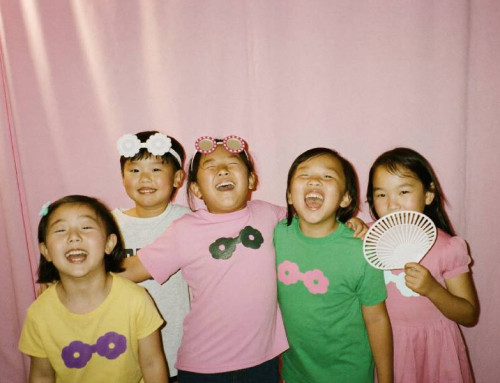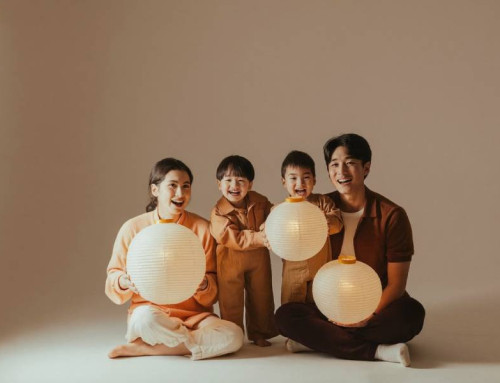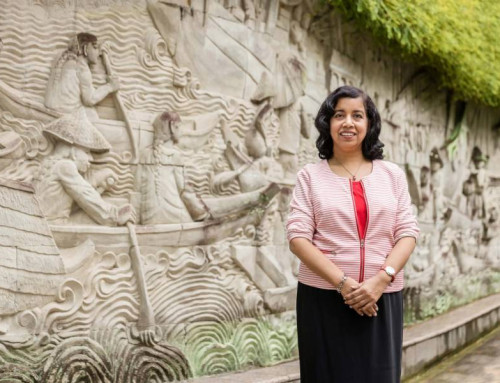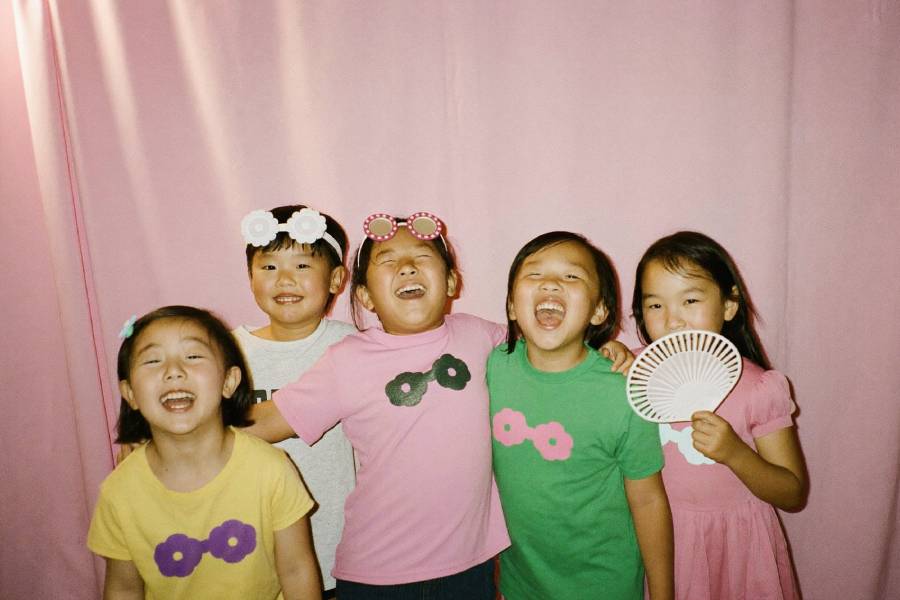

A good corporate photoshoot does more than give your team polished portraits. It makes your business look credible and trustworthy, especially to clients who are meeting you for the first time online. When people land on your website, the first thing they look for is who they will be working with. High-quality images of your team help build confidence. They show that you take your work seriously and care about presenting yourselves professionally.
It’s also the perfect addition to your website because it helps visitors connect with the faces behind your brand. In a world where so much communication happens digitally, having warm, genuine team photos makes your company feel far more approachable. A well-thought-out photoshoot brings out personality, unity, and authenticity – three things that can make a strong first impression before anyone clicks “Contact Us”.
Once people realise that corporate photography can do all this, the next step is figuring out what theme would best represent your team culture. Corporate photos don’t have to look stiff or overly formal. In fact, many companies today are exploring more relaxed, creative ways to showcase who they are. The goal is simple: make your colleagues comfortable, highlight their strengths, and capture a moment that reflects your workplace genuinely.
Below are some engaging corporate photoshoot themes that can help strengthen team culture and spark natural connections among colleagues.
1. The “day in the life” theme
This theme focuses on capturing your team in their real working environment. Instead of standing in a row and smiling at the camera, colleagues are photographed doing their usual tasks, like chatting with a coworker, brainstorming, setting up a presentation, or simply enjoying a break together.
The beauty of a “day in the life” shoot is that it feels natural and unforced. It gives people a glimpse into your company’s work habits and rhythms. It also helps team members relax because they don’t feel like they’re “posing”; they’re just doing what they normally do. This kind of authenticity can be incredibly impactful on a website or company profile page.
You can even mix in casual group shots around the office to show camaraderie. Think of it as lifestyle photography for businesses; simple, candid, and real.
2. Outdoor team stroll or park shoot
If you want to break away from the office setting, an outdoor theme is ideal. Parks, neighbourhood walkways, or quiet open areas can instantly shift the energy. Natural light softens expressions and makes people look fresh and relaxed.
An outdoor shoot doesn’t have to be complicated. Something as simple as the team walking together, sitting on benches, or laughing during a conversation can create a friendly and cohesive vibe. This type of setup works extremely well for companies that want to show warmth, approachability, and harmony.
You can even encourage colleagues to wear coordinated colours (not matching outfits!) to create a visually pleasing look without feeling overly staged.
3. The collaborative workspace theme
Co-working spaces, meeting rooms, and breakout areas are perfect backdrops for dynamic corporate photos. This theme is about capturing teamwork, such as discussions over a laptop, colleagues sketching ideas on a whiteboard, or teams gathered around a table.
Photos like these communicate creativity, problem-solving, and active collaboration. They tell viewers that your company values participation and teamwork, not just hierarchy.
To make this theme more engaging, include a few lifestyle-style images of people exchanging ideas or smiling mid-conversation. These small moments showcase a positive workplace culture far better than stiff headshots alone.
4. The coffee & conversations theme
You’ll be surprised how comfortable people become with a cup of coffee in hand. A café-style shoot (either in the pantry or a real café) gives your photos a warm, approachable, and familiar atmosphere. Think of small groups chatting naturally, teammates enjoying a break, or someone sharing a light laugh with a colleague.
This theme is particularly good for companies that want to emphasise their human side, showing that the organisation values connection, not just productivity. It’s also an excellent way to bring out personalities in a relaxed setting.
Let the photographer capture organic moments rather than stiff poses. Genuine smiles always come through stronger when people feel at ease.
5. Hobby-inspired team portraits
Many companies now celebrate individuality by letting team members reveal their hobbies or passions. For example:
- A colleague who loves books could pose with one on their desk
- Someone into fitness could be photographed with a pair of running shoes
- A plant lover could incorporate a small plant in their shot
This theme celebrates diversity and allows everyone to express themselves in a fun, light-hearted way. It also reinforces the idea that the company values each person not just for their job role, but for who they are.
If you choose this theme, balance personality with professionalism. The props should be subtle, not overwhelming. The aim is to spark curiosity and connection, not distract from the person.
6. Clean, minimalist studio portraits
Sometimes, simplicity is the most powerful choice. A clean, minimalist studio setup gives you sleek, timeless photos that look good on any platform, like LinkedIn, company website, pitch decks, annual reports, and more.
This theme works especially well if your brand leans towards sophistication and clarity. Neutral backdrops, consistent lighting, and clear lines make the whole team appear cohesive.
To keep the energy warm rather than cold, encourage natural expressions instead of serious faces. A soft smile or a confident yet friendly look goes a long way in making your team appear professional but approachable.
7. The “behind the scenes” theme
Every company has moments that the public rarely sees, such as setting up for events, testing products, preparing food, arranging materials, or even celebrating small wins.
Capturing behind-the-scenes moments helps show your brand’s process and effort. It’s also a fun way to bring the team together because people tend to forget the camera is there when they’re busy doing something meaningful.
These photos work beautifully for social media, hiring pages, and company culture sections. They also send the message that your organisation is hardworking, passionate, and dedicated.
8. The “team on the move” theme
Movement adds energy to photos. Shots of the team walking confidently, entering a building, heading into a meeting, or even standing in a semi-circle create a lively, modern feel.
These photos naturally give a sense of momentum and aspiration. They’re particularly great for companies in fast-paced industries where innovation and growth are key.
Encourage everyone to walk naturally rather than trying to choreograph the movement. The best shots are often the ones where people forget they’re being photographed.
9. Colour-coded or themed wardrobe
If your brand has distinct colours, you can incorporate them subtly into your photoshoot wardrobe. For example, if your brand uses navy, white, and grey, you can encourage colleagues to pick outfits within that palette.
This creates visual harmony without forcing uniformity. It makes the photos look intentional and professional while still giving individuals room to express themselves. You can also choose a simple theme like “smart casual”, “earth tones”, or “modern professional”, depending on your brand identity.
Conclusion
A corporate photoshoot is one of the easiest and most meaningful ways to strengthen team culture, create memorable moments at work, and show clients who you really are. Whether you choose a candid, structured, fun, or minimalist theme, the most important thing is that your team feels comfortable and represented. When people feel genuinely seen during a photoshoot, the resulting images always feel more alive.
If you’re ready to plan a photoshoot that brings out the best in your team, reach out to Firefly Photography – we can help you create images that truly reflect the spirit of your organisation.